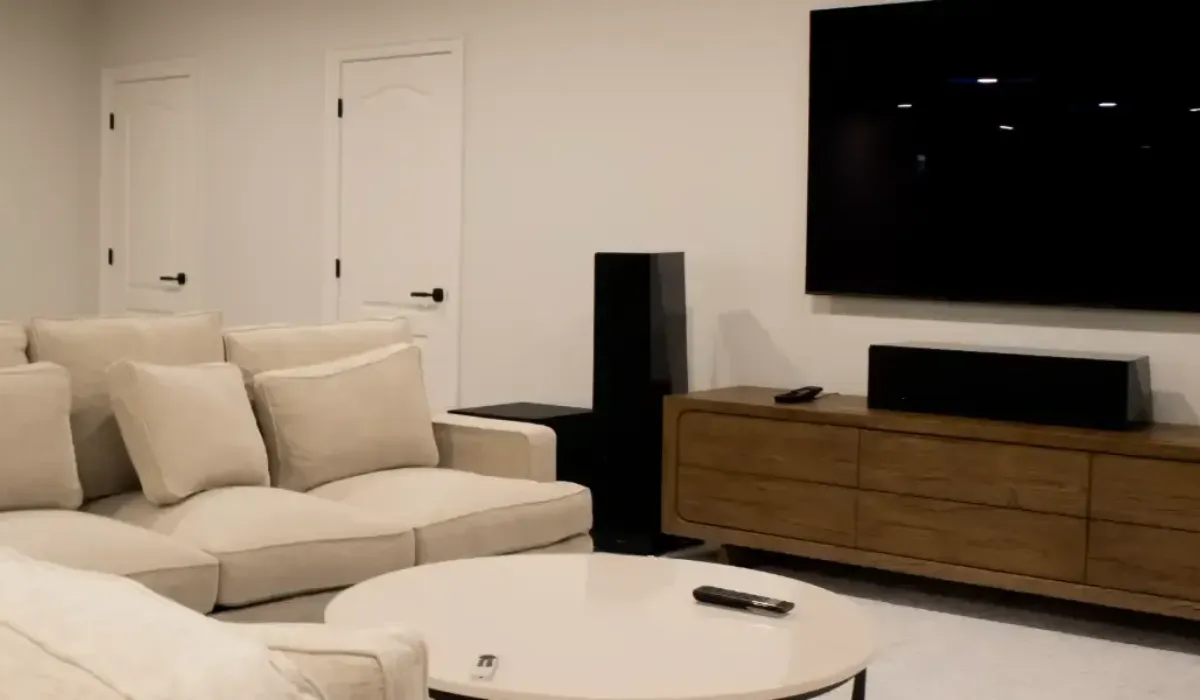
How Much Does It Cost to Finish a Basement in NJ?
Finishing a basement is one of the most flexible ways to expand usable living space in your home without changing the footprint of the house. In Hunterdon County, New Jersey, many homeowners turn unfinished basements into family rooms, home gyms, entertainment areas, or guest spaces that get daily use. The challenge is that basement finishing costs can vary dramatically depending on what already exists and how the space is intended to function.
Unlike kitchens or bathrooms, basements start as blank slates, and that makes cost assumptions risky. Structural conditions, ceiling height, moisture control, and code requirements all play a role. Working with a contractor like Armstrong Interiors ensures the space is evaluated properly from the start and finished in a way that is comfortable, compliant, and built to last.
How Basement Finishing Costs Are Determined in New Jersey
There is no single price for finishing a basement in New Jersey. Costs depend on how much work is required to turn a below-grade space into a functional living area. A basic family room with drywall and flooring costs far less than a basement that includes a bathroom, gym equipment, or entertainment systems.
Many budget issues arise when homeowners underestimate the work needed behind the walls, such as insulation, electrical upgrades, or moisture protection. These elements are essential for comfort and safety, even though they are not always visible once the project is complete.
1. Planning the Space and Defining Its Purpose
The intended use of the basement has the greatest influence on total cost. A finished basement designed for occasional use is very different from one intended as a primary living area.
-
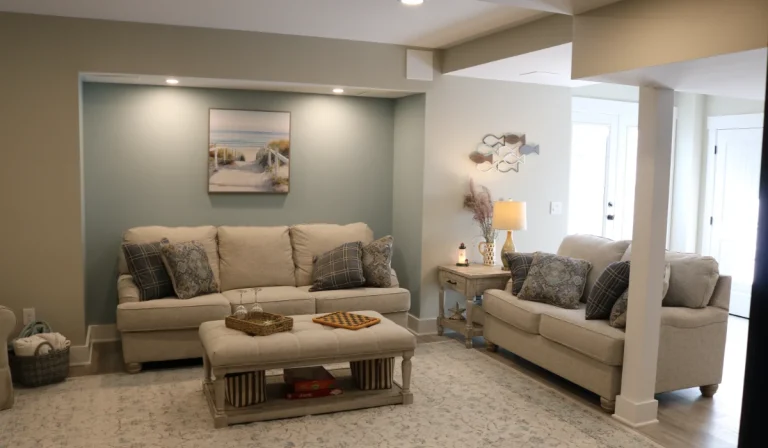
- Family rooms: Open layouts, general lighting, and durable flooring.
- Home gyms: Reinforced floors, additional ventilation, and electrical capacity.
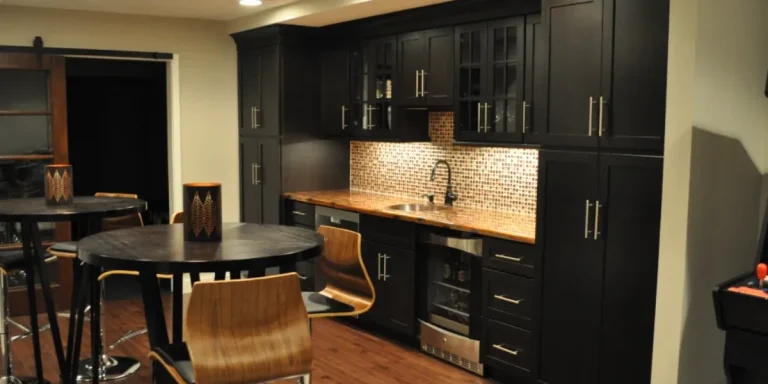
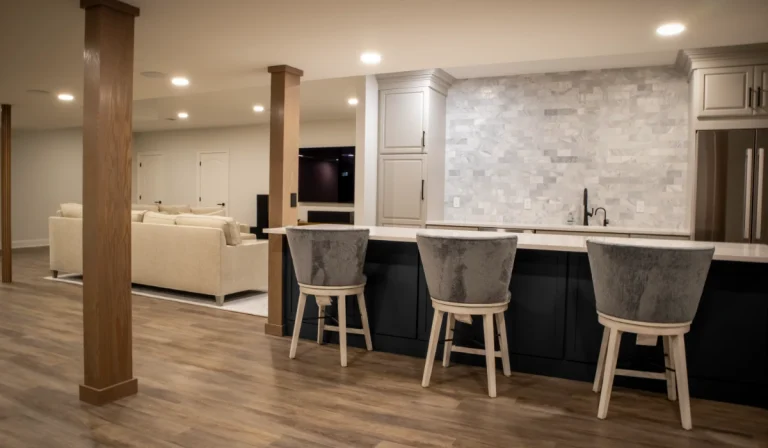
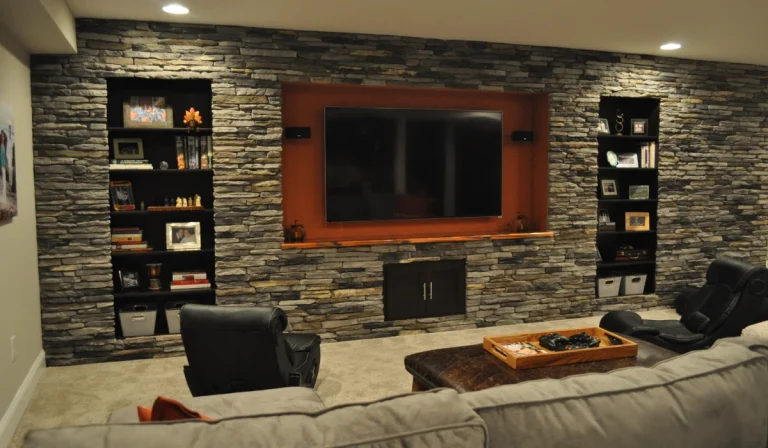
- Entertainment spaces: Media wiring, sound control, and custom lighting.
- Guest or in-law areas: Bathrooms, egress windows, and privacy separation.
Defining how the basement will be used allows costs to be scoped accurately. Many homeowners reference the Basement Remodeling Pricing Guide early to understand how added features change the investment level.
2. Permits, Code Compliance, and Ceiling Height
Basement finishing in New Jersey typically requires permits, particularly when framing, electrical, plumbing, or HVAC work is involved. Local building codes strongly influence both design and cost.
-
- Ceiling height requirements: Minimum clearance must be met for habitable spaces.
- Egress: Required for bedrooms and sleeping areas.
- Fire separation: Protects upper floors from basement hazards.
Low ceilings, duct obstructions, or structural beams can require creative solutions or additional framing work. These factors are often discovered during early evaluations, which is why professional assessment matters before design decisions are finalized.
3. Moisture Control and Insulation Systems
Moisture management is one of the most important cost factors in basement finishing. Even basements that appear dry need proper insulation and vapor control to remain comfortable year-round.
-
- Insulation systems: Designed specifically for below-grade walls.
- Vapor barriers: Prevent moisture migration into finished materials.
- Drainage improvements: Address minor water concerns before finishing.
Skipping these steps often results in mold, odors, or damaged finishes. While moisture control adds to upfront cost, it protects the investment and prevents future remediation expenses.
Construction Phases That Influence Basement Finishing Costs
Basement projects follow a specific sequence. Each phase builds on the previous one, and mistakes early in the process are expensive to correct later.
4. Framing, Electrical, and Plumbing Rough Work
Once the layout is finalized, framing defines rooms, access points, and utility chases. Electrical and plumbing rough-ins follow.
-
- Outlets, lighting, and dedicated circuits.
- Plumbing for bathrooms, wet bars, or laundry.
- HVAC extensions or supplemental heating systems.
Basements used as gyms or entertainment rooms often require additional power capacity. All rough work must pass inspection before walls are closed.
5. Drywall, Flooring, and Interior Finishes
After inspections are approved, drywall is installed and finished. Flooring, trim, doors, and paint follow.
-
- Flooring: Luxury vinyl, engineered wood, or tile.
- Ceilings: Drywall or drop ceilings for utility access.
- Finishes: Trim, paint, and lighting fixtures.
Basement finishes must be selected with below-grade conditions in mind. Materials not designed for basements often fail prematurely.
Inspections and Final Approval
Finished basements require inspections to confirm safety, accessibility, and code compliance.
-
- Framing inspections: Verify layout and fire separation.
- Electrical and plumbing inspections: Required before drywall.
- Final inspection: Confirms the space is legally habitable.
Scheduling inspections efficiently helps keep projects on budget. Armstrong Interiors manages inspection coordination to prevent unnecessary delays.
How Basement Projects Connect to Other Remodels
Basement finishing is often part of a broader renovation plan and can influence other projects.
-
- Bathroom additions: Adding a basement bathroom increases plumbing scope. Many homeowners review the Bathroom Remodeling Pricing Guide when planning.
- Kitchen remodels: Finished basements often support entertaining needs. The Kitchen Remodeling Pricing Guide helps align budgets.
- Home additions: Some homeowners compare basement finishing to adding square footage using the Home Addition Pricing Guide.
Proudly Serving Hunterdon County
At Armstrong Interiors, we provide full-service basement finishing and whole-home renovations throughout Hunterdon County, including Flemington, Clinton, Lambertville, Raritan Township, and surrounding communities. Our team emphasizes proper planning, durable construction, and realistic budgeting.
Plan Your Basement Finishing Project with Confidence
Finishing a basement in New Jersey requires more than choosing flooring and paint. Understanding how cost is shaped by layout, code, moisture control, and intended use is essential. If you want a family room, gym, or entertainment space built correctly and legally, contact Armstrong Interiors today. Schedule an evaluation or estimate and take the first step toward a finished basement designed for long-term use.