Walk-In Shower vs Tub Combo, Cost & Resale Value
Planning a bathroom remodel is exciting, but choosing between a walk-in shower and a tub shower combo is where many homeowners hesitate. In Hunterdon County, New Jersey, this decision affects far more than appearance. Cost, maintenance, safety, resale value, and daily function all play a role in determining which option is right for your home.
Understanding the real differences between these two layouts helps you avoid regret after construction begins. With an experienced contractor like Armstrong Interiors, the process is structured, practical, and based on how your household actually lives, not just design trends.
What a Realistic Bathroom Upgrade Comparison Looks Like
Both walk-in showers and tub shower combos can work beautifully when installed correctly. The difference lies in how they function long-term. While trends often favor large, glass-enclosed showers, tubs still serve an important role in many homes.
Many homeowners assume one option is always better for resale or cost, but the truth depends on layout, buyer expectations, and the rest of the home’s configuration.
1. Upfront Installation Costs
From a construction standpoint, walk-in showers typically involve more labor and material complexity than a tub shower combo.
-
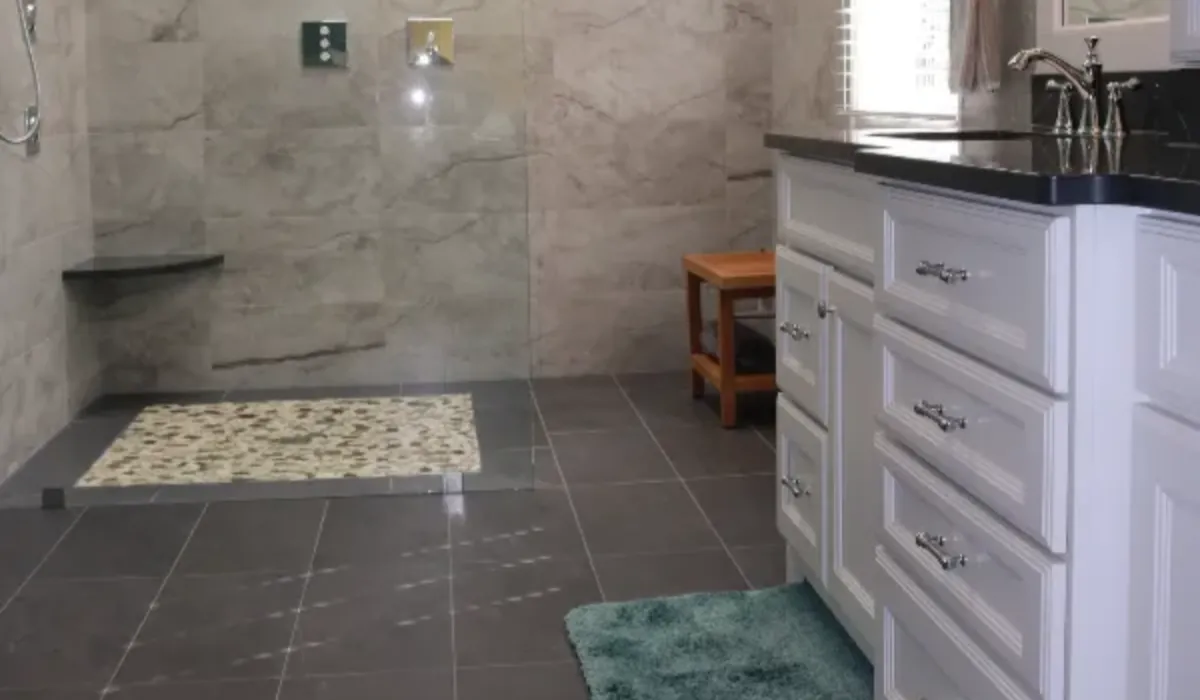
- Walk-in showers: Custom tile work, sloped shower pans, waterproofing membranes, and glass enclosures increase both labor and material costs.
- Tub shower combos: Standard tubs with tile or surround walls generally require fewer specialty components and less detailed waterproofing.
Homeowners reviewing the Bathroom Remodeling Pricing Guide often notice that custom showers can represent a significant portion of the overall bathroom investment.
2. Plumbing, Layout, and Structural Adjustments
Replacing a tub with a walk-in shower is not always a direct swap. Floor slope, drain location, and framing adjustments can affect pricing and complexity.
-
- Drain relocation: Walk-in showers often require centered drains or linear drains.
- Subfloor reinforcement: Curbless entries demand proper floor preparation.
- Wall framing: Niches and glass enclosures require structural support.
In older Hunterdon County homes, these adjustments must be carefully evaluated before finalizing the scope.
3. Material Durability and Long-Term Maintenance
Maintenance is often overlooked during the design phase but becomes very important after move-in.
-
- Walk-in showers: Tile grout lines and glass panels require regular cleaning to prevent buildup.
- Tub shower combos: Fewer grout joints and simpler surfaces are often easier to maintain.
High-quality waterproofing and proper installation reduce long-term issues regardless of which option you choose. Poor installation, however, leads to moisture damage in either scenario.
Construction Phases That Influence Cost and Longevity
Once demolition begins, each phase must be completed properly to ensure durability and compliance with building standards.
4. Demolition and Waterproofing Preparation
Removing an existing tub or shower often reveals hidden plumbing or moisture concerns. Addressing these issues early prevents future problems.
Walk-in showers require detailed waterproofing systems beneath tile surfaces. Cutting corners in this phase creates long-term risk.
5. Rough Plumbing and Drain Work
Drain placement and water supply lines must be adjusted based on the selected configuration.
-
- Relocating valves for accessibility.
- Upgrading to pressure-balanced fixtures.
- Ensuring proper slope for drainage.
Improper slope in a walk-in shower can lead to standing water. Correct installation during rough plumbing is critical.
6. Tile, Glass, and Finish Installation
Walk-in showers typically involve more finish detailing than tub combos.
-
- Custom tile layouts.
- Glass enclosure measurements and installation.
- Integrated niches and benches.
Tub shower combos, while simpler, still require proper sealing and finishing to prevent long-term damage.
Safety and Accessibility Considerations
Beyond cost, safety plays a major role in choosing between these options.
-
- Walk-in showers: Easier entry, especially for aging homeowners.
- Tub shower combos: Stepping over the tub wall may present challenges over time.
Many homeowners planning long-term residence prioritize low-threshold shower entries.
Resale Value and Market Expectations
Throughout Hunterdon County and surrounding markets, resale value often depends on having at least one bathtub in the home.
-
- Primary bathrooms frequently benefit from walk-in showers.
- Hall baths typically retain tubs for family appeal.
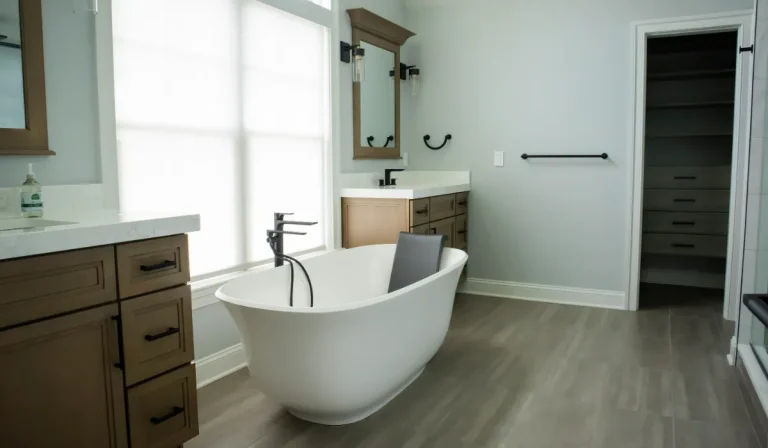
- Removing the only tub in a home may limit buyer interest.
The safest resale strategy is usually to maintain one bathtub somewhere in the home while upgrading the primary bathroom with a well-designed shower.
How Other Remodeling Projects Impact This Decision
Bathroom remodels often overlap with other home improvements.
-
- Kitchen remodels: Plumbing wall coordination can affect layout choices.
- Basement renovations: Adding a secondary bath may change resale strategy.
- Home additions: Expanding square footage creates flexibility for both tubs and showers. The Home Addition Pricing Guide explains how added space affects decisions.
Proudly Serving Hunterdon County
At Armstrong Interiors, we provide full-service bathroom remodeling throughout Hunterdon County, including Flemington, Clinton, Lambertville, Raritan Township, and nearby communities. Our team focuses on quality waterproofing, thoughtful layout planning, and long-term durability.
Start Your Bathroom Remodel with Clear Expectations
Choosing between a walk-in shower and a tub shower combo should never be based on trend alone. It should reflect how your household lives today and what makes sense for the future. If you want professional guidance, realistic pricing, and a bathroom built correctly from the start, contact Armstrong Interiors today. Schedule an evaluation or estimate and move forward with confidence.